


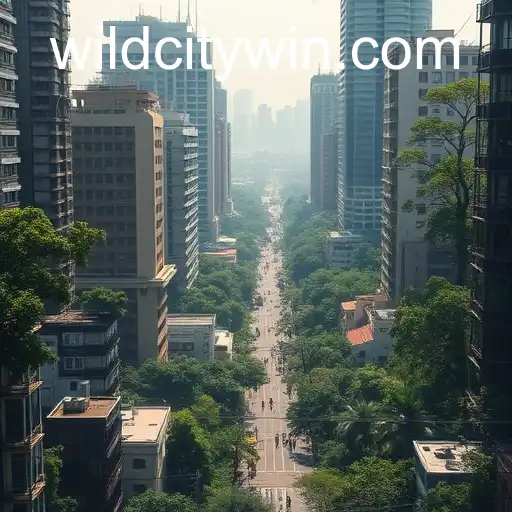
Exploring the intersection of urban environments and wildlife through gaming in 2025.
As we venture into the heart of 2025, a fascinating trend is capturing the imaginations of gamers and urban explorers alike. The concept of the 'wild city,' a unique blend of urban environments teeming with wildlife, has become a popular theme in the world of video gaming. With technology advancing rapidly, game developers are pushing the boundaries, simulating urban jungles that challenge traditional perceptions of cityscapes.
In recent months, several game developers have released titles centered around this theme, providing players with an exhilarating mix of strategy, exploration, and survival. These games often juxtapose sprawling skyscrapers with lush greenery and diverse animal life, creating a dynamic and unpredictable gameplay experience. This trend reflects a broader movement towards reimagining cities as ecosystems, balancing human development with nature.
The narrative isn't confined to the gaming world. Urban planners and environmentalists are increasingly drawing inspiration from these virtual environments, seeking ways to incorporate sustainable wildlife habitats within real city landscapes. Cities such as Singapore and Portland have become pioneers in integrating 'wild city' elements, creating green corridors and spaces that encourage biodiversity in densely populated areas.
Commentators highlight the significance of this gaming trend as a mirror to real-world challenges. As urban populations grow, the pressure on local ecosystems intensifies, necessitating innovative solutions. By engaging the public, especially younger audiences, through gaming, there is hope to foster a greater appreciation for urban wildlife conservation and design innovatively sustainable cities.
Meanwhile, reports indicate that the popularity of 'wild city' themed games has led to increased interest in urban nature tourism. Players, inspired by the immersive environments they explore in games, are seeking real-life encounters with urban wildlife. This is shaping a new, emerging travel niche that focuses on exploring wildlife within city limits.
As we look ahead, the dynamics between gaming and urban ecology continue to evolve. The latest forecast suggests that this theme will expand beyond personal entertainment, influencing education and urban policy. With the continuous improvement in virtual reality technology, the opportunities to explore and connect with 'wild cities' only become more thrilling and educational. The future of sustainable city living might very well be influenced by these digital depictions, merging the boundaries between the virtual and the real world.

